

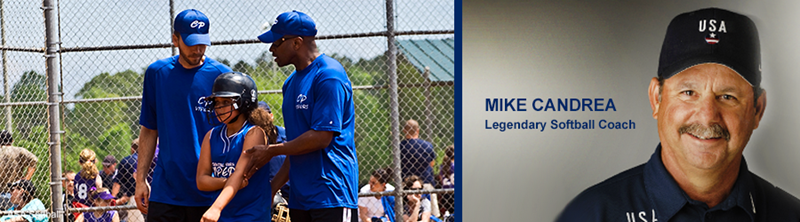
Both parenting and coaching can be quite a challenge at times. Having an understanding and a respect for both positions will help children have a better experience in sport. Ultimately, that is our job as a parent or coach – to provide an environment that protects and supports the pursuit of personal growth and excellence while enjoying the experience. Clear communication between parents and coaches can help all understand the position of the other and enhance the positive experience that can be gained from participation in athletics.
Here are some guidelines on communication that you should expect from your child’s coach. The first and most important step is identifying what type of coach this person is and what is their philosophy. Many times we do not do our homework to find the right fit for our child in regard to their development, commitment, competitive level, and learning style. At the early stages of development, we should try to find a coach that understands how to teach the fundamental skills of the game; finding a coach that makes the learning process fun, and does not put their emphasis on the wins and losses is equally important. As we move through the journey in athletics, there will come a time when the competitive atmosphere becomes a must, but not until the basic skills are taught and developed. I have always used this measure to understand the skill level vs. challenge and how they affect the athlete.
Low Skill + High Challenge= Frustration
High Skill + Low Challenge = Boredom
We also should receive some basic information from the coach, such as expectations and goals the coach has for your child and the team. Coaches should also provide information on the location and time of practices, team requirements, special equipment, strength and conditioning program that may be implemented and who will supervise these workouts. As a parent, you should be privy to the team selection process, rules, guidelines and consequences for infractions and most important the procedure if your child is injured during participation. I recommend a meeting at the beginning of the year that is mandatory for all parents and players to discuss these matters and get everyone on the same page.
To make this process seamless and productive, coaches should expect the parents to communicate directly to the coach when parents have concerns, notification of any schedule conflict in advance, illness or injury as soon as possible. It is always appropriate to have a discussion with a coach if you have concerns regarding the treatment of your child, want to find out ways to help improve your child’s experience, or concerns regarding your child’s behavior.
It is always hard for parents to accept that their daughter is not playing as much as you hope. This is why it is so important for you to initially find the right fit for your daughters’ skill level and development. Coaches must be able to make decisions based on what they believe is the best for all student-athletes. Areas that are listed below must be left up to the discretion of the coach.
- Playing time
- Team Strategy
- Play calling
- Other student-athletes
In other words, common sense must be used by both parents and coaches to discuss concerns and always have the student’s best interest. The most successful programs contain strong leadership, consistency, great communication, and players that improve and enjoy the experience!
Until Next Month,

Coach Mike Candrea